
The Terminal is an Egg
Developers love Claude Code, but understanding why will make your users love your product.

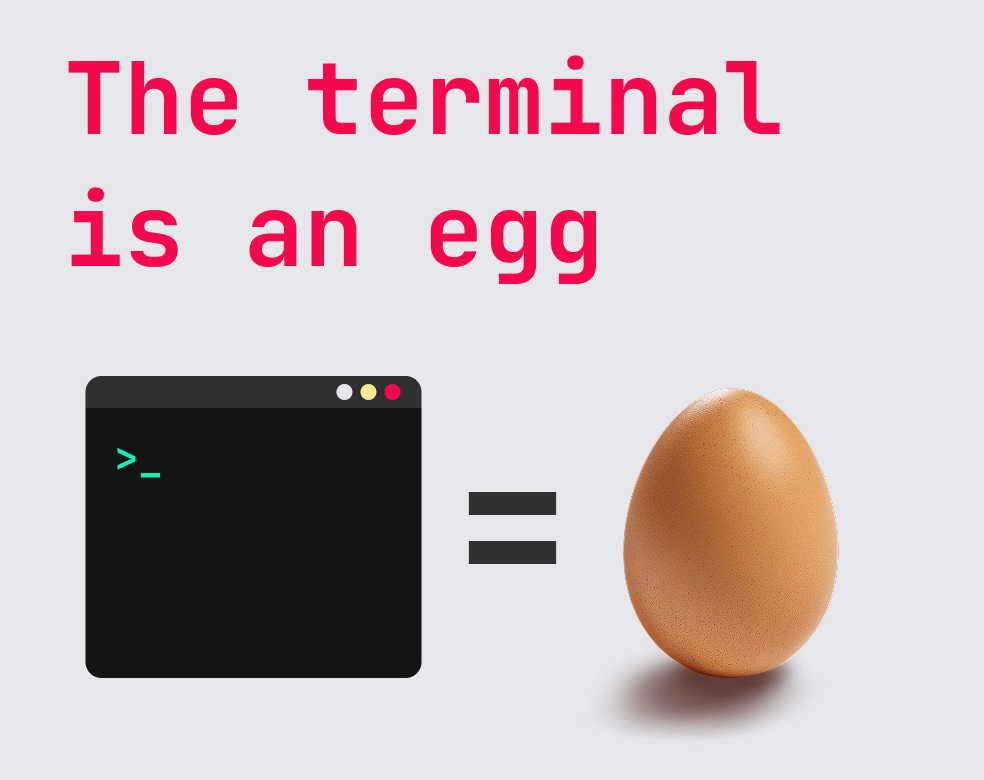
To understand why developers adore Claude Code is to unlock a vital concept: GOOD FRICTION.
Understand the egg, and you’ll understand why technically incredible products fail.
Yes, the Egg
General Mills launched a line of cake mixes under the famous Betty Crocker brand. The package included all the dry ingredients, plus powdered milk and eggs. All you had to do was add water, mix, and stick the pan in the oven.
However, sales stalled. The problem wasn’t the product quality; the process was simply too easy to feel like baking. It felt like cheating.
Consequently, they changed the recipe to “add one egg”. They introduced friction so users felt a sense of accomplishment as they overcame it.
For the Love of Claude
When I watch people use Claude Code, I see a recurring loop: prompt -> generate app -> note changes -> prompt again.
Users of Lovable, Google AI Studio, and Replit follow this exact loop. So why don’t developers fall in love with those tools?
Because Claude Code lives in the terminal.
The friction of a text-based interface makes the experience FEEL technical. The terminal is the egg.
Dashboards! Dashboards! Dashboards!
Dashboard SaaS products exemplify a lack of “egg”.
As a Startup Consultant, founders often hire me to solve user acquisition and retention issues.
While they initially suspect a marketing problem, they usually face a product issue: a value proposition centred on “all your data in one place”.
Unsurprisingly, I hear the same story: “people understand why the product is good, but they don’t pay for it”.
This occurs because users don’t just want consolidated sales data; they want to feel like successful salespeople.
In other words, it is not just about the cake; it is about the baker’s identity.
POTHEADS... no, the other ones
The Instant Pot community, whose members proudly call themselves “Potheads”, is a prime example of shared identity.
Although the Instant Pot is “easy” once mastered, it notoriously intimidates beginners with its “burn” notices, smelly sealing rings, and the terrifying choice between “Natural” and “Quick” release.
This shared identity grows from collectively experienced friction. You’ve earned your stripes.
Shaping the Product
If you are building a product, take note. Sometimes, good friction shapes your users’ shared identity:
Twitter’s original 140-character limit.
Vine’s 6-second video restriction.
Instagram’s mandatory square crop.
These companies succeeded in their early days because of this friction, not in spite of it.
So, what is the shared identity of your users? And what is your egg?